Understanding Food Allergies vs. Intolerances: What’s the Difference?
Have you ever wondered why certain foods make you feel unwell?
Maybe you’ve developed a rash after eating peanuts, or perhaps a bowl of ice cream left you feeling bloated and uncomfortable for the rest of the evening. These experiences can be frustrating, especially when you’re not sure what’s causing them.
One of the most common questions patients ask is: “Do I have a food allergy, or is it just an intolerance?”
Although the two terms are often used interchangeably, they’re actually quite different. Understanding the difference is important because a food allergy can sometimes be life-threatening, while a food intolerance is usually uncomfortable but not dangerous.
Let’s walk through what each one means and what signs to watch for.
What Is a Food Allergy?
A food allergy happens when your immune system mistakenly treats a food as harmful and launches a defense against it.
Even a tiny amount of the food can trigger a reaction, and symptoms often appear within minutes of eating.
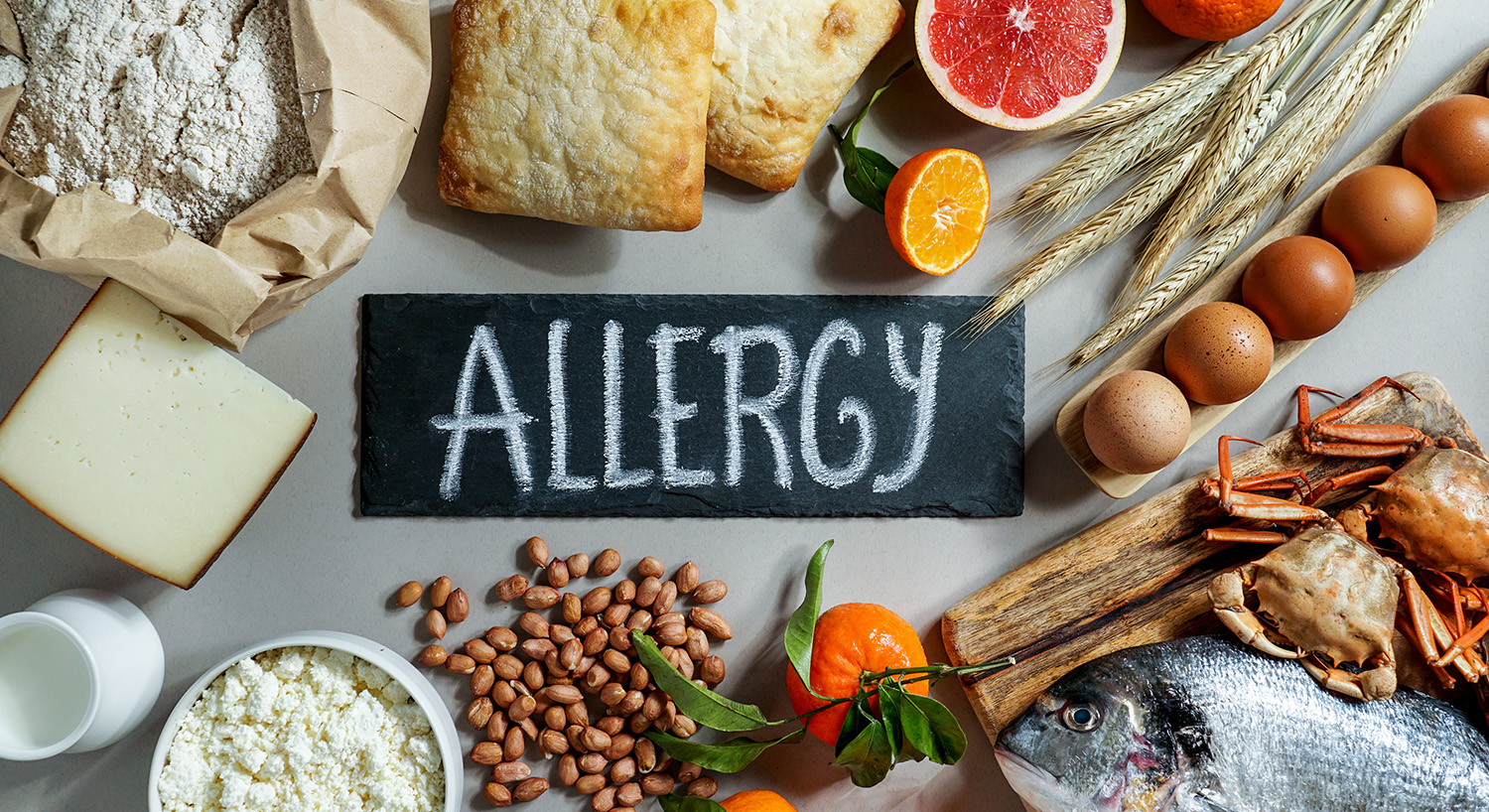
Common food allergens include:
Peanuts
Tree nuts (such as almonds, walnuts, and cashews)
Milk
Eggs
Fish
Shellfish
Soy
Wheat
Sesame
These foods account for most serious allergic reactions.
What Does a Food Allergy Feel Like?
Symptoms can range from mild to severe and may include:
Hives or itchy skin
Swelling of the lips, face, tongue, or throat
Wheezing or difficulty breathing
Coughing
Vomiting
Stomach cramps
Dizziness or fainting
Rapid heartbeat
What Is a Food Intolerance?
A food intolerance is different because it does not involve the immune system.
Instead, the body has difficulty digesting a food or reacting to certain ingredients within it. Symptoms are usually unpleasant, but they are rarely life-threatening.
Unlike allergies, many people with food intolerances can tolerate small amounts of the food without major problems.
Common Examples of Food Intolerance
Lactose Intolerance
People with lactose intolerance don’t make enough lactase, the enzyme needed to digest the sugar found in milk and dairy products.
Common symptoms include:
Bloating
Gas
Diarrhea
Stomach cramps
Gluten Sensitivity
Some people experience digestive discomfort after eating gluten-containing foods even though they do not have celiac disease or a wheat allergy.
Food Additives
Certain preservatives, artificial colours, or flavour enhancers may trigger headaches, flushing, or digestive symptoms in some individuals.
How Can You Tell the Difference?
Because symptoms can sometimes overlap, it’s important not to diagnose yourself based on internet searches alone. A proper assessment can help identify what’s really happening.
When Should You See Your Doctor?
Consider booking an appointment if you:
Frequently feel unwell after eating certain foods
Have recurring bloating, stomach pain, or diarrhea
Develop rashes after meals
Experience swelling or breathing problems after eating
Are unsure whether your symptoms are due to an allergy or intolerance
Are planning to eliminate major food groups from your diet
Your family doctor can review your symptoms, assess your overall health, and recommend the appropriate next steps.
How Are Food Allergies Diagnosed?
If a food allergy is suspected, your doctor may ask:
Which food triggered the reaction?
How quickly did symptoms appear?
What symptoms occurred?
How severe was the reaction?
Do you have a personal or family history of allergies?
Depending on the situation, testing may include skin testing, blood tests, or referral to an allergy specialist.
One important reminder: don’t try food allergy testing at home without medical guidance.
How Are Food Intolerances Diagnosed?
Food intolerances are usually identified by carefully reviewing your symptoms and eating patterns.
Your healthcare provider may recommend:
Keeping a food diary
Temporarily removing a suspected food
Gradually reintroducing foods to see whether symptoms return
Testing to rule out other digestive conditions when needed
This approach helps identify problem foods while ensuring you continue to get the nutrients your body needs.
Practical Tips for Managing Food Reactions
Read Food Labels Carefully
Ingredients can change, even in products you buy regularly.
Keep Track of Symptoms
A simple food diary can reveal patterns you might otherwise miss.
Avoid Eliminating Too Many Foods
Removing multiple foods without medical advice can make it harder to identify the true cause and may lead to nutritional deficiencies.
Plan Ahead When Eating Out
Ask about ingredients and food preparation if you have known allergies.
Carry Emergency Medication if Prescribed
If you have a diagnosed severe food allergy, always carry your prescribed epinephrine auto-injector and know how to use it.
Can Food Allergies Develop Later in Life?
Yes. While many food allergies begin during childhood, adults can develop food allergies too.
Food intolerances can also appear at any age, sometimes as digestion changes over time.
If you notice new symptoms after eating foods you previously tolerated, it’s worth discussing them with your healthcare provider.
Trusted Resources
For reliable, evidence-based information, visit:
Related Services at Applewood Medical Clinic
If you’re experiencing symptoms after eating certain foods, your family physician can help assess your concerns and guide you toward the right care.
It can be frustrating, and sometimes a little worrying, when food consistently leaves you feeling unwell. The important thing to remember is that food allergies and food intolerances are not the same thing, and understanding the difference can help you make safer, more informed choices.
If you’ve been dealing with recurring digestive symptoms, rashes, swelling, or other reactions after eating, you don’t have to figure it out alone. A conversation with your family doctor can help identify the cause of your symptoms and guide you toward the right next steps.
At Applewood Medical Clinic, our experienced family physicians are here to help you understand what your body is telling you. Whether you’re concerned about a possible food allergy, a food intolerance, or ongoing digestive discomfort, we can work with you to evaluate your symptoms and create a plan that supports your long-term health and well-being.
If you have questions about food-related symptoms, consider booking an appointment with our team, we’re here to help you feel your best.