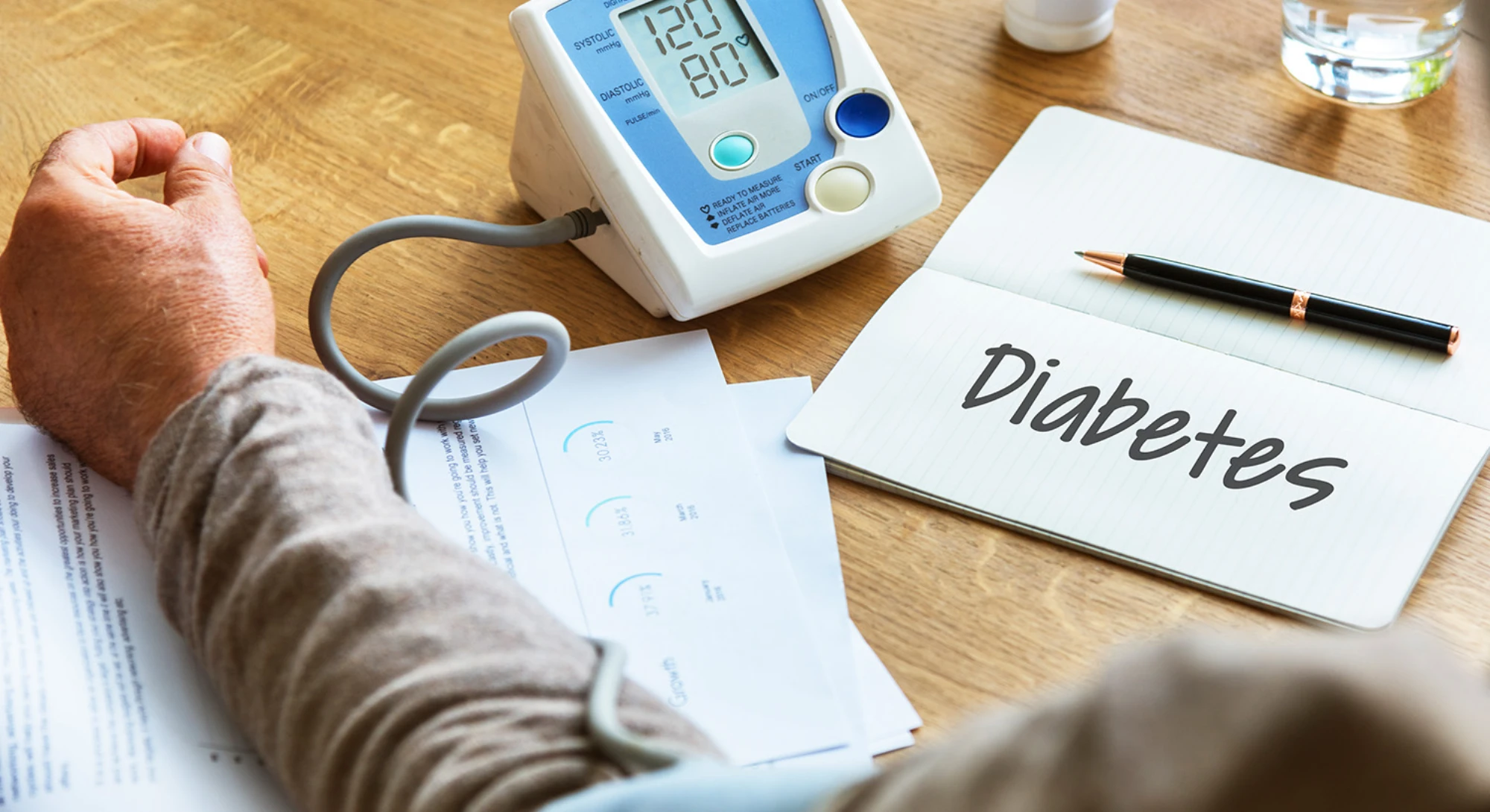
Understanding Diabetes: Early Signs and Prevention Tips
Many people have heard of diabetes, but not everyone understands how it develops or how early it can begin to affect the body. In fact, some people live with diabetes or prediabetes for years before realizing something is wrong.
The reason is simple: the early signs can be subtle. You might feel more tired than usual, notice you’re thirstier, or find yourself making more trips to the bathroom. These changes can be easy to ignore or blame on a busy lifestyle.
The good news is that diabetes is often manageable, and in many cases preventable, when it’s caught early. By understanding the warning signs and making a few healthy lifestyle choices, you can significantly reduce your risk.
At Applewood Medical Clinic, helping patients stay informed and proactive about their health is a key part of preventive care.
What Is Diabetes?
Diabetes is a condition that affects how your body uses sugar (glucose), which is your body’s main source of energy.
Normally, the hormone insulin helps move glucose from your bloodstream into your cells, where it can be used for energy. When someone has diabetes, the body either doesn’t produce enough insulin or can’t use it properly. As a result, sugar builds up in the bloodstream instead of entering the cells.
Over time, high blood sugar levels can affect many parts of the body, including the heart, kidneys, eyes, and nerves.
There are three main types of diabetes:
Type 1 Diabetes
An autoimmune condition where the body stops producing insulin.
Type 2 Diabetes
The most common type. It usually develops gradually and is often linked to lifestyle factors and insulin resistance.
Prediabetes
A stage where blood sugar levels are higher than normal but not yet high enough to be considered diabetes.
According to Health Canada, millions of Canadians are currently living with diabetes or prediabetes.
Early Signs You Shouldn’t Ignore
One of the challenges with diabetes is that symptoms often develop slowly. Many people assume they are simply tired, stressed, or dehydrated.
Some early warning signs to watch for include:
Frequent urination
If your blood sugar is high, your kidneys try to remove the extra sugar through urine. This can make you go to the bathroom more often than usual.
Increased thirst
Because you’re losing more fluids through urination, your body signals that it needs more water.
Feeling unusually tired
When your body cannot properly use glucose for energy, fatigue is a common result.
Blurred vision
High blood sugar can affect the tiny blood vessels in your eyes, sometimes causing temporary vision changes.
Slow healing cuts or frequent infections
High glucose levels can make it harder for the body to heal and fight infections.
Unexpected weight changes
Some people experience unexplained weight loss or gain.
If you notice these symptoms, it may be worth discussing them with a healthcare provider during a routine checkup or annual physical exam.
For additional details on symptoms and causes, the Mayo Clinic provides helpful medical guidance
Who Is More Likely to Develop Diabetes?
While diabetes can affect anyone, certain factors increase the risk.
Some of the most common risk factors include:
A family history of diabetes
Being overweight or carrying extra weight around the abdomen
Physical inactivity
High blood pressure or high cholesterol
Age over 40
History of gestational diabetes during pregnancy
Regular checkups can help identify these risks early. Many people discover prediabetes during routine preventive health screenings.
Practical Tips to Help Prevent Type 2 Diabetes
The encouraging news is that small lifestyle changes can make a big difference in preventing or delaying type 2 diabetes.
Stay Active
Regular movement helps your body use insulin more effectively. Even moderate activities like walking, cycling, or swimming can improve blood sugar control.
Try aiming for about 30 minutes of activity most days of the week.
Focus on Balanced Meals
Healthy eating doesn’t have to be complicated. Start with simple changes like:
Eating more vegetables and fruits
Choosing whole grains instead of refined grains
Including lean proteins such as fish, beans, or poultry
Reducing sugary drinks and highly processed foods
These small shifts can help stabilize blood sugar levels.
The CDC offers practical guidance on preventing type 2 diabetes through lifestyle changes.
Maintain a Healthy Weight
Even modest weight loss, around 5–7% of body weight, can significantly lower the risk of developing diabetes.
Schedule Regular Health Checkups
Routine medical visits help detect early changes in blood sugar levels before symptoms appear.
During an annual physical exam, your healthcare provider may check your blood sugar, blood pressure, and cholesterol levels to assess your overall health.
The Cleveland Clinic also explains how diabetes develops and why early screening is important.
Why Early Detection Is So Important
When diabetes is detected early, it’s often much easier to manage. Many people can control their blood sugar through healthy lifestyle changes, regular monitoring, and medical guidance.
Without treatment, however, diabetes can lead to serious complications, including:
Heart disease
Kidney damage
Vision problems
Nerve damage
Increased risk of infections
That’s why early screening and regular medical care play such an important role in long-term health.
Conclusion
Diabetes can develop quietly, but understanding the early signs gives you the opportunity to act before complications occur. Paying attention to your body, maintaining healthy habits, and scheduling regular medical checkups are some of the most effective ways to protect your health.
If you’ve noticed possible symptoms or simply want to stay proactive about your health, speaking with a healthcare provider can provide valuable guidance. The team at Applewood Medical Clinic is here to support patients with preventive care, screenings, and personalized medical advice.
If you have concerns about diabetes or would like to schedule a checkup, consider booking an appointment with a healthcare professional at Applewood Medical Clinic. Early attention to your health can make a lasting difference.