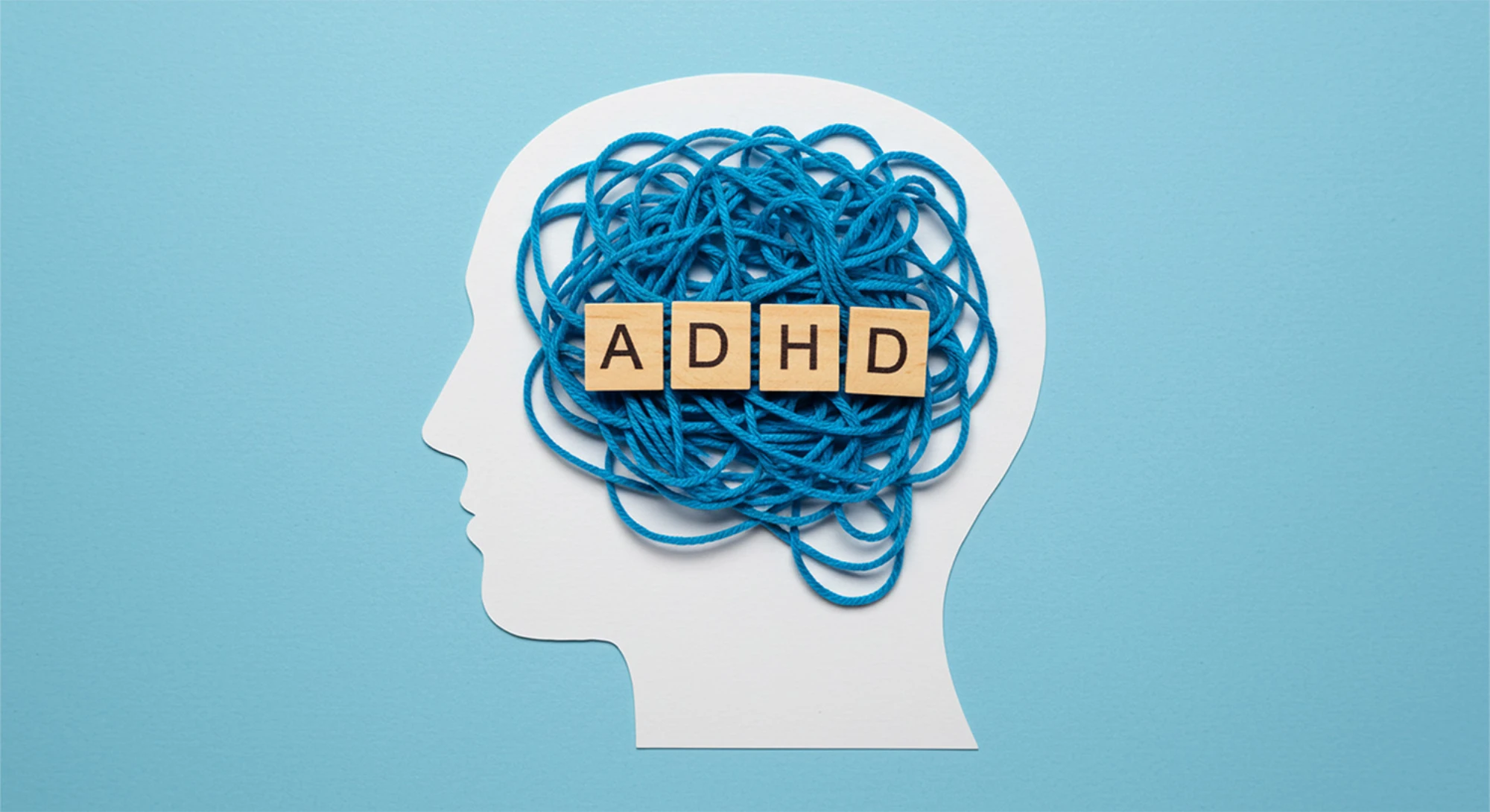
Understanding ADHD: Symptoms, Support, and When to Seek Help
Have you ever felt like your mind is moving in ten different directions at once? Maybe staying focused feels harder than it should, everyday tasks pile up, or simple routines become frustratingly difficult to manage. For children, it may look like trouble sitting still, listening in class, or following instructions. For adults, it might feel like constant distraction, missed deadlines, forgetfulness, or mental exhaustion.
If this sounds familiar, you are not alone.
Attention-Deficit/Hyperactivity Disorder (ADHD) is a common condition that affects how people focus, organize tasks, manage impulses, and regulate attention. While many people think of ADHD as something only children experience, it can continue into adulthood and affect daily life in different ways.
The reassuring part is this: ADHD is manageable, and support is available. Understanding the signs early can help individuals and families find strategies, treatment, and guidance that genuinely improve day-to-day life.
At Applewood Medical Clinic, patients can speak with a healthcare provider about concerns related to focus, attention, or behaviour and receive guidance on possible next steps through available healthcare services
What Is ADHD?
ADHD is a condition that affects attention, impulse control, activity levels, and organization. It is not simply about being distracted or “too energetic.” For many people, ADHD can affect school, work, relationships, confidence, and everyday responsibilities.
Some people mainly struggle to focus or stay organized. Others feel restless, impulsive, or mentally “on the go” all the time. Many people experience a combination of both.
Healthcare providers generally describe ADHD in three ways:
Predominantly Inattentive ADHD
This type mainly affects focus and concentration. Someone may:
Lose track of conversations or instructions
Frequently forget appointments or tasks
Have trouble staying organized
Start tasks but struggle to finish them
Seem distracted or mentally elsewhere
Predominantly Hyperactive-Impulsive ADHD
This type involves restlessness and impulsive behaviour. Someone may:
Feel constantly restless or fidgety
Talk excessively or interrupt others
Act before thinking things through
Find it difficult to sit still or wait patiently
Combined ADHD
Many people experience a combination of inattentive and hyperactive symptoms.
ADHD can look different from person to person, which is why a proper medical assessment matters.
For more information about ADHD symptoms and diagnosis, trusted resources such as cdc and cleveland clinic offer evidence-based guidance.
What Are the Symptoms of ADHD?
ADHD symptoms can vary by age and person. Sometimes the signs are easy to notice. Other times, they may be mistaken for stress, anxiety, personality differences, or simply being “bad at staying organized.”
ADHD Symptoms in Children
Children with ADHD may:
Have trouble focusing in school
Forget homework, instructions, or belongings
Struggle to sit still
Interrupt conversations or classroom activities
Become frustrated or emotional more easily
Have difficulty following routines
Parents sometimes notice that everyday tasks feel harder than expected, despite their child trying their best.
ADHD Symptoms in Adults
ADHD in adults can look very different from childhood ADHD. Adults may experience:
Difficulty managing time or priorities
Feeling overwhelmed by tasks
Chronic forgetfulness
Trouble staying focused during meetings or conversations
Restlessness or mental “busyness”
Difficulty staying organized at home or work
Many adults are surprised to learn that struggles they’ve dealt with for years may actually be related to ADHD.
What Causes ADHD?
One question people often ask is, “Did I do something wrong?”
The short answer is no.
ADHD is not caused by poor parenting, laziness, or lack of discipline. Research suggests that genetics, brain development, and environmental influences may all play a role. In many cases, ADHD runs in families.
Understanding this can be an important moment for patients and parents. ADHD is a medical condition, not a character flaw.
You can learn more through trusted health resources such as Mayo clinic.
How Is ADHD Diagnosed?
There is no single blood test or scan that diagnoses ADHD.
Instead, healthcare providers look at a person’s symptoms, daily challenges, medical history, and how long difficulties have been happening.
An assessment may include:
Conversations about focus, behaviour, routines, and symptoms
Questions about school, work, or home life
Medical history review
Screening tools or questionnaires
Ruling out other causes such as anxiety, sleep problems, stress, or learning difficulties
Sometimes people worry about asking for help because they fear being judged or misunderstood. But talking to a healthcare provider can bring clarity and reassurance.
What Support and Treatment Options Are Available?
The good news is that ADHD can be managed. Treatment looks different for everyone and depends on age, symptoms, lifestyle, and personal needs.
Medication
For some people, medication may help improve focus, reduce impulsivity, and support daily functioning. Healthcare providers carefully assess whether medication is appropriate and monitor treatment over time.
Behavioural Support and Therapy
Counselling, coaching, or behavioural therapy can help people develop routines, organization skills, and coping strategies.
Everyday Strategies That Can Help
Small habits can make daily life feel more manageable:
Use reminders, calendars, or phone alerts
Break larger tasks into smaller steps
Create predictable daily routines
Limit distractions during work or homework
Prioritize healthy sleep habits
Stay physically active to support focus and mood
These changes may seem simple, but over time they can make a meaningful difference.
When Should You Seek Help?
Sometimes people wonder if they are simply overwhelmed or if something more may be happening.
It may be helpful to speak with a healthcare provider if attention, focus, or impulsive behaviours are:
Affecting school or work performance
Causing stress at home or in relationships
Leading to frequent forgetfulness or missed responsibilities
Making everyday life feel unusually difficult or frustrating
Causing emotional distress, anxiety, or low confidence
You do not need to wait until things feel severe to ask questions.
Getting support early may help prevent unnecessary stress and help you better understand what is going on.
Conclusion
Living with ADHD, or wondering whether you or your child may have it, can sometimes feel confusing, frustrating, or even overwhelming. But help is available, and you do not have to figure it out alone.
With the right support, many people with ADHD learn strategies that improve focus, confidence, routines, and everyday quality of life. If attention or focus challenges are affecting daily life, consider speaking with a healthcare provider.