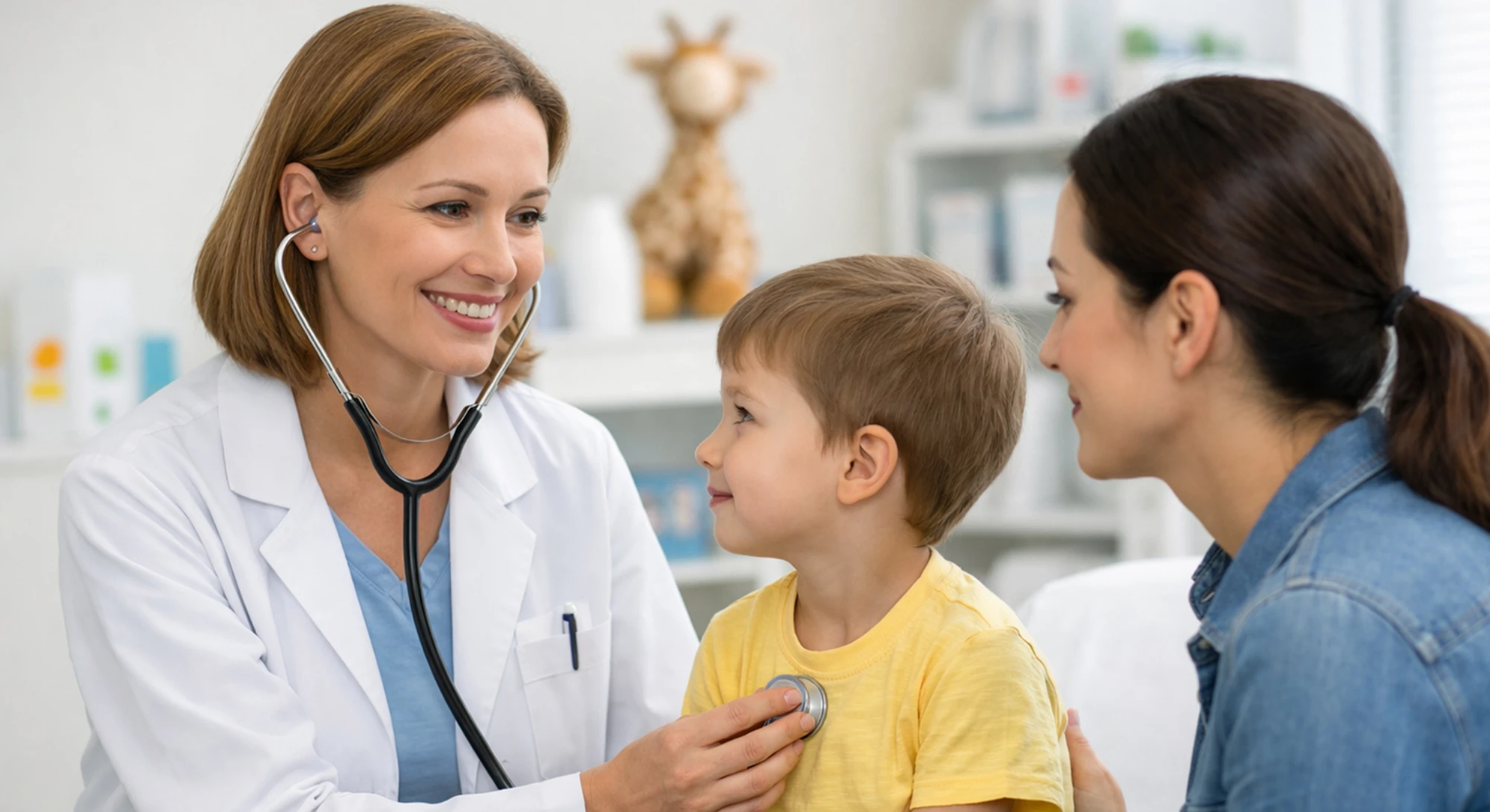
How to Tell If Your Child’s Fever Needs a Doctor’s Visit
A fever in a child can be worrying for any parent. While most fevers are a natural response to infection and can be safely managed at home, some signs indicate that a doctor’s visit is necessary. At Applewood Medical Clinic, we want parents to feel informed and confident in caring for their children. This guide will help you understand fever, recognize warning signs, and know when to seek professional care.
What Is a Fever in Children?
A fever occurs when the body’s temperature rises above the normal range, usually around 38 °C (100.4 °F) or higher. It is often a sign that the immune system is fighting an infection, such as a cold, flu, or ear infection. While fevers can make children uncomfortable, they are usually not dangerous on their own.
When to Monitor at Home
Most mild fevers can be managed safely at home with the following steps:
Keep Your Child Hydrated – Encourage water, clear fluids, or oral rehydration solutions.
Rest and Comfort – Let your child rest and avoid strenuous activities.
Light Clothing – Dress your child in breathable, comfortable clothes.
Monitor Temperature – Use a reliable thermometer and track changes.
Tip: Avoid overbundling or cold baths. These do not reduce fever safely.
For trusted guidance, see Cleveland Clinic’s pediatric fever recommendations: Cleveland Clinic – Fever in Children
When to Call the Doctor Immediately
You should contact a healthcare provider if your child exhibits any of the following:
Infants under 3 months with a fever over 38 °C (100.4 °F)
Fever over 40 °C (104 °F) at any age
Persistent fever lasting more than 3 days
Difficulty breathing, unusual drowsiness, or irritability
Signs of dehydration: dry mouth, no tears, reduced urination
Seizures or convulsions
Rash that doesn’t blanch when pressed
Applewood Medical Clinic offers pediatric care and urgent appointments for children experiencing these symptoms. Learn more here: Family Practice | Applewood Medical Clinic
Other Considerations
Over-the-counter medications such as acetaminophen or ibuprofen may be used according to age and dosage guidelines — consult your pediatrician first.
Underlying conditions like asthma, immune disorders, or heart conditions may make a fever more concerning.
Follow-up care is important after a prolonged fever, even if symptoms improve.
For additional evidence-based guidance, check Health Canada.
Conclusion
Fever is a common part of childhood illnesses, and most are manageable at home. By monitoring symptoms, keeping your child comfortable, and knowing warning signs, you can ensure your child gets the care they need promptly. If you are ever unsure or your child’s fever shows concerning signs, contact Applewood Medical Clinic, our team is here to provide trusted, compassionate pediatric care.