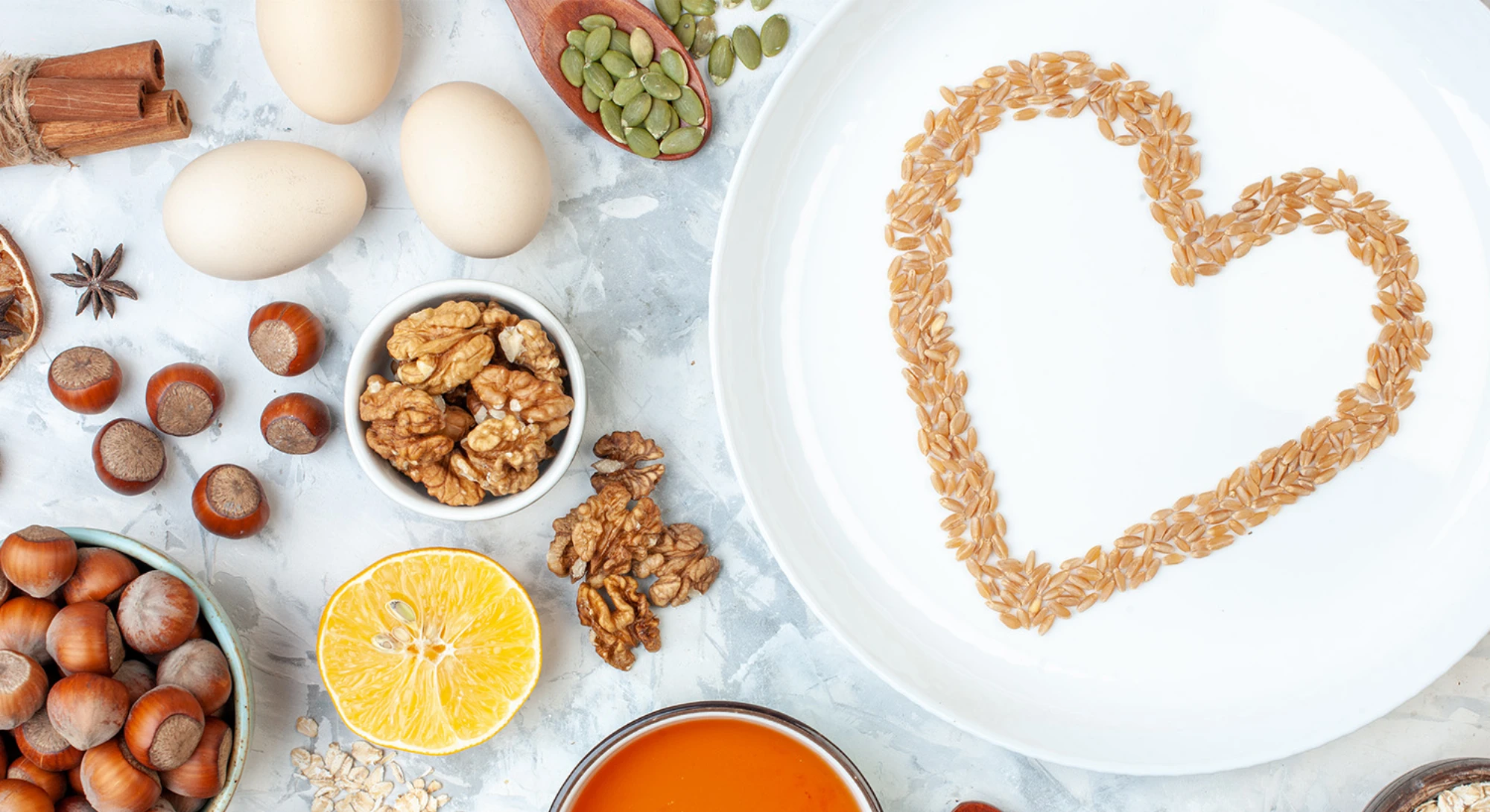
Healthy Eating Habits That Protect Your Heart: Simple, Everyday Choices That Make a Difference
If you’ve ever sat in a clinic waiting room and overheard someone asking, “What should I actually be eating for my heart?”, you’re not alone. It’s one of the most common questions patients ask.
And it makes sense. Heart health can feel complicated, but when you strip it down, a lot of it comes back to everyday food choices. Not strict diets. Not perfection. Just small, steady habits that support your heart over time.
At Applewood Medical, we often reassure patients that you don’t need to overhaul your entire life overnight. You just need to start making a few better choices where it counts.
Why Your Food Choices Matter for Your Heart
Your heart is working every second of the day, no breaks, no downtime. Over the years, what we eat can either make that job easier or harder.
Certain eating patterns can increase the risk of:
High blood pressure
High cholesterol
Weight gain
Type 2 diabetes
Heart disease and stroke
But the encouraging part is this: heart disease risk is often influenced by lifestyle, which means it can be improved.
What Heart-Healthy Eating Actually Looks Like
Patients often expect a complicated answer here, but it’s actually quite simple. Heart-healthy eating is mostly about balance and consistency.
1. Choose more “real” foods
Think of foods that don’t come in a long ingredient list:
Fruits and vegetables
Whole grains like oats, brown rice, and whole wheat
Beans, lentils, and legumes
Nuts and seeds
These foods naturally support heart health because they’re rich in fibre and nutrients your body actually uses well.
2. Be mindful of fats, not all fats are the same
This is where people often get confused. Some fats are helpful, others not so much.
Healthier fats: olive oil, avocado, nuts, seeds, and fish
Less helpful fats: deep-fried foods, packaged snacks, processed baked goods
You don’t need to avoid fats completely, you just want more of the helpful ones.
3. Watch the salt (even when food doesn’t taste salty)
This surprises many patients. A lot of sodium comes from packaged and restaurant foods, not just what you add at the table.
Too much salt can raise blood pressure, which puts extra strain on your heart over time.
Small changes help:
Choose fresh foods when possible
Rinse canned foods
Check labels when shopping
4. Cut back on added sugar
Sugar isn’t just about desserts. It hides in drinks, sauces, and packaged snacks.
Over time, too much added sugar can contribute to weight gain and increase heart risk.
A simple shift:
Replace sugary drinks with water most days
Save sweets for occasional enjoyment, not daily habits
Simple, Practical Tips You Can Start This Week
This is where things get real, no perfection needed.
Think “half your plate”
At meals, try:
Half vegetables or fruit
One quarter protein (chicken, fish, beans, eggs)
One quarter whole grains (rice, pasta, quinoa)
Add instead of restrict
Instead of focusing only on what to cut out, think:
“What can I add today?”
Like an extra vegetable, a piece of fruit, or a handful of nuts.
Drink more water
It sounds basic, but hydration supports circulation and overall heart function.
Cook at home when you can
Even a few extra home-cooked meals per week can help you control salt, sugar, and fat intake.
When Heart Health Needs a Closer Look
Food is powerful, but it’s only one part of the picture.
It’s a good idea to check in with a healthcare provider if you have:
High blood pressure
High cholesterol
Diabetes or prediabetes
A family history of heart disease
Regular checkups can catch changes early, often before you feel anything at all.
What Medical Experts Agree On
This advice isn’t just clinic guidance, it’s supported globally.
Health Canada emphasizes balanced eating patterns for heart health
Mayo Clinic highlights diet as a key factor in reducing cardiovascular risk
Cleveland Clinic explains how diet impacts cholesterol and blood pressure
CDC confirms lifestyle changes play a major role in prevention
Conclusion
If there’s one thing to take away, it’s this: heart-healthy eating doesn’t have to be complicated or restrictive. It’s really about making small, realistic choices most of the time, choosing foods that support your body instead of stressing it.
And if you’re not sure where to start, that’s completely okay. This is exactly the kind of thing we help patients with every day at Applewood Medical, whether it’s reviewing your risk factors, checking your blood pressure, or simply talking through practical diet changes that fit your lifestyle.
Your heart doesn’t need perfection, it just needs a little consistent care.